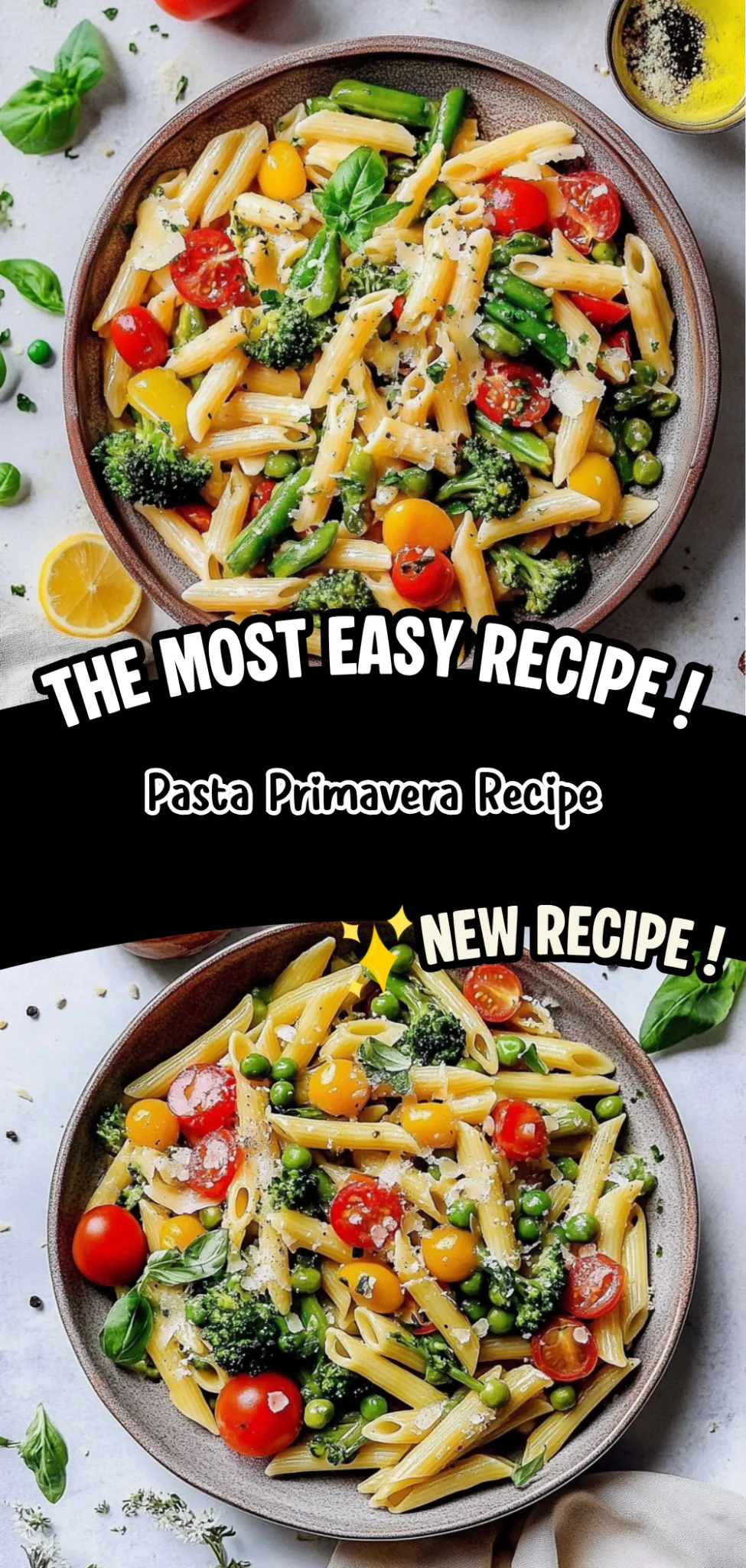
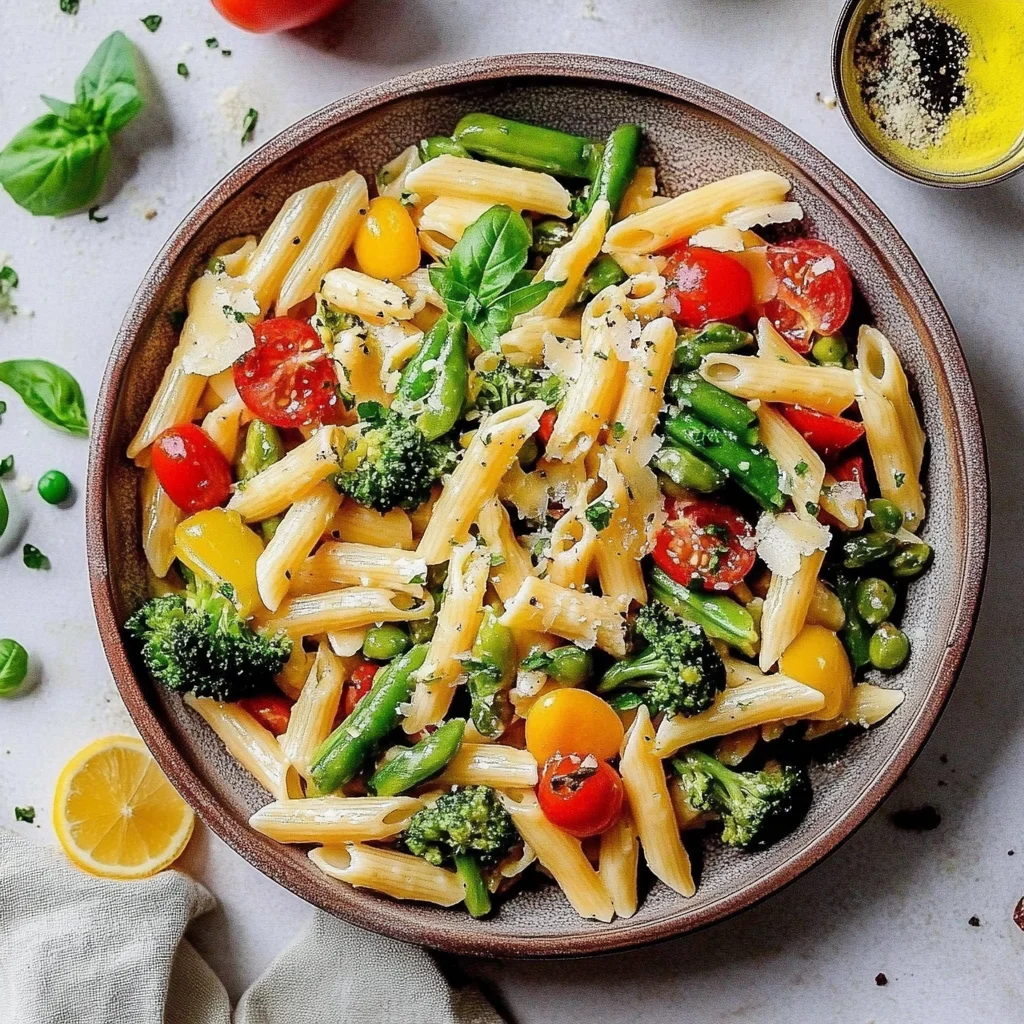
There’s nothing quite like a vibrant bowl of Pasta Primavera to brighten your day! This dish bursts with the crisp, tender textures of fresh vegetables and the satisfying bite of al dente pasta, making it a feast for both the eyes and the palate. Each forkful is a celebration of flavor—colorful, savory, fresh, and loaded with protein. I created this Pasta Primavera Recipe to serve as a quick yet nutritious meal during my busiest weeks, packing in 350 calories that nourish without weighing you down.
I still remember the first time I made this dish for my family on a sunny Saturday afternoon. As I tossed the bright bell peppers and zucchini into the pan, my youngest exclaimed, “Wow, it looks like a rainbow!” There’s something special about using seasonal veggies that truly elevates this recipe; I love how the asparagus adds that extra crunch. When I finally plated it up, my teenagers dug in eagerly, and I couldn’t help but smile when they asked for seconds—my son even declared it his new favorite meal!
Ingredients for the Pasta Primavera
Each ingredient in this dish plays an essential role in flavor and texture. Here’s what you’ll need:
- 12 oz Fettuccine or Spaghetti (Uncooked): Serves as the hearty base that brings everything together.
- 1 cup Bell pepper (Sliced): Adds a sweet crunch and vibrant color to the dish.
- 1 cup Zucchini (Sliced): Provides a tender texture and mild flavor that complements the other veggies.
- 1 cup Carrot (Julienned): Offers a touch of sweetness and a satisfying crunch.
- 1 cup Cherry tomatoes (Halved): Bursts with juicy freshness, brightening each bite.
- 1 cup Broccoli florets: Contributes a slightly earthy flavor and a beautiful green hue.
- 3 tbsp Olive oil (Extra virgin): Enhances richness while helping to sauté the vegetables perfectly.
- 2 cloves Garlic (Minced): Infuses the dish with aromatic depth and savory goodness.
- 1 tsp Salt (To taste): Elevates all flavors, bringing harmony to the dish.
- 1 tsp Black pepper (Freshly ground): Adds a subtle heat that balances the sweetness of the vegetables.
- 1 tsp Italian seasoning: Imparts a classic herbaceous blend that ties all elements together.
- 1/4 cup Parmesan cheese (Grated): Introduces umami richness and a creamy finish as a garnish.
- 2 tbsp Fresh basil (Chopped): Complements with a burst of freshness and aromatic flair.
Step-by-Step Instructions
I recommend starting by boiling the water for your pasta first, as it takes the longest — this way, everything will come together seamlessly without you waiting around.
Step 1: Bring a large pot of salted water to a boil. Once the water is bubbling vigorously, add 12 oz of uncooked fettuccine or spaghetti. Cook according to package instructions until al dente, which usually takes about 8-10 minutes depending on your pasta choice. You want the pasta to have a slight bite to it since it will continue cooking when tossed with the vegetables later. Once done, drain the pasta in a colander and set it aside; remember not to rinse it, as you want the starches to help the sauce cling later.
Step 2: In a large skillet over medium heat, pour in 3 tablespoons of extra virgin olive oil. Allow it to heat up for about a minute before adding 2 minced garlic cloves. Sauté the garlic for about 1 minute until fragrant but be careful not to burn it — burnt garlic can overpower your dish. This step builds serious flavor, so take your time and enjoy that aroma filling your kitchen.
Step 3: Add 1 cup each of sliced bell pepper, zucchini, julienned carrot, and broccoli florets to the skillet. Sauté these vegetables for about 5-7 minutes; you’re looking for them to be tender yet still crisp — vibrant colors are key! Stir occasionally to ensure even cooking. I usually find that keeping them slightly crunchy adds great texture against the soft pasta.
Step 4: After the initial sautéing, stir in 1 cup of halved cherry tomatoes and cook for an additional 2 minutes until they start to soften and release their juices. This quick burst of cooking will enhance their natural sweetness and create a lovely fresh sauce that coats everything beautifully.
Step 5: Now it’s time to bring everything together! Add the drained pasta back into the skillet with the sautéed vegetables. Season with salt and freshly ground black pepper to taste along with 1 teaspoon of Italian seasoning. Toss everything together gently but thoroughly until well combined; you want each piece of pasta coated in that flavorful veggie mix. This step is where all those beautiful flavors meld together.
Step 6: Serve your Pasta Primavera in a large bowl or on individual plates. For an extra touch, garnish with 1/4 cup of grated Parmesan cheese and sprinkle with freshly chopped basil. The cheese adds a rich creaminess while the basil provides a fresh pop of flavor that really brightens up this dish. Enjoy!
What to Serve with Pasta Primavera
This bowl is already incredibly filling and balanced, but these sides add extra variety and nutrition to round out your meal perfectly.
Mediterranean Quinoa Salad: This colorful salad combines cooked quinoa, diced cucumbers, cherry tomatoes, red onion, and feta cheese, tossed in a lemon-olive oil dressing. The bright flavors of the salad echo the freshness of the vegetables in Pasta Primavera while adding a delightful crunch and a protein boost—about 8 grams per cup. My kids love it as a refreshing side that feels light yet satisfying, perfect for those warm summer nights.
Garlic Herb Breadsticks: Soft, buttery breadsticks seasoned with garlic and Italian herbs make for an irresistible side. Their fluffy texture contrasts beautifully with the al dente fettuccine and complements the Italian seasoning in the pasta dish. Plus, with roughly 4 grams of protein per stick, they offer extra energy for post-workout dinners. These are a family favorite at our table; we often enjoy them while watching a movie together!
Creamy Avocado Dip: Made by blending ripe avocados with lime juice, garlic powder, and Greek yogurt, this creamy dip serves as a tasty accompaniment to your Pasta Primavera. The healthy fats from the avocado and protein from the yogurt (around 5 grams per serving) make it not only delicious but also nourishing. I love to serve this dip alongside fresh veggie sticks; it’s a hit among my kids at every gathering.
Zesty Cabbage Slaw: This crunchy slaw features shredded cabbage mixed with carrots and dressed in a tangy apple cider vinaigrette. The crisp texture provides a refreshing contrast to the tender pasta while its zesty flavor complements the garlic and Italian seasoning beautifully. With its low calorie count (around 50 calories per serving) and high fiber content, it’s an easy way to boost nutrients without adding excessive calories—perfect for our family’s busy weeknight meals!
Storage & Serving Tips
To store your Pasta Primavera for meal prep, divide the components into separate airtight containers. Keep the cooked — Pasta — (12 oz Fettuccine or Spaghetti) in one container, which can be refrigerated for up to 4 days. Place the sautéed vegetables, including 1 cup each of sliced bell pepper, zucchini, julienned carrot, halved cherry tomatoes, and broccoli florets, in another container. Store the sauce—made with 3 tbsp olive oil, 2 minced cloves of garlic, 1 tsp salt, 1 tsp freshly ground black pepper, and 1 tsp Italian seasoning—in a small jar or container to maintain its freshness. Finally, keep the garnishes of 1/4 cup grated Parmesan cheese and 2 tbsp chopped fresh basil in individual small containers to ensure they stay crisp and flavorful.
When reheating your Pasta Primavera, it’s best to reheat each component separately for optimal taste and texture. For the — Pasta —, place it in a pot with a splash of water over medium heat for about 3-5 minutes until heated through. The vegetables can be warmed in a skillet on medium heat for about 4-6 minutes until just tender; avoid using the microwave as it can make them soggy. Reheat the sauce gently on low heat on the stovetop for about 3-4 minutes until warmed through. Microwaving is not recommended as it may alter the texture of both the pasta and vegetables negatively.
Pro tip: To efficiently batch cook this recipe for the week, consider doubling the ingredients on Sunday and portioning them into individual containers for easy grab-and-go meals. Family members can self-assemble their own bowls by combining their preferred amounts of — Pasta — with veggies and sauce. For variety throughout the week, try swapping out some vegetables—like zucchini for asparagus or adding extra broccoli florets—and even using whole wheat pasta instead of regular fettuccine or spaghetti for added fiber. To keep your Parmesan cheese at its best during meal prep storage, keep it separate from other ingredients until serving time to maintain its fresh flavor and texture.
Conclusion
This Pasta Primavera recipe has become one of those dishes I make almost every week because it’s not only a light and colorful meal but also packs in 350 calories per serving without sacrificing flavor. The extra virgin olive oil really elevates the taste, giving it that rich, delightful finish that sets it apart from other pasta dishes. Give this one a try this week. I promise it’ll become a regular rotation meal in your house too.
Pasta Primavera
Ingredients
Method
- Bring a large pot of salted water to a boil. Add the pasta and cook according to package instructions until al dente.
- Drain the pasta in a colander and set aside.
- In a large skillet, heat the olive oil over medium heat. Add the minced garlic and sauté for about 1 minute until fragrant.
- Add the bell pepper, zucchini, carrot, and broccoli. Sauté for about 5-7 minutes until the vegetables are tender but still crisp.
- Stir in the cherry tomatoes and cook for an additional 2 minutes.
- Add the cooked pasta to the skillet with the vegetables. Season with salt, black pepper, and Italian seasoning. Toss everything together until well combined.
- Serve in a large bowl, garnished with grated Parmesan cheese and fresh basil.
Leave a Comment