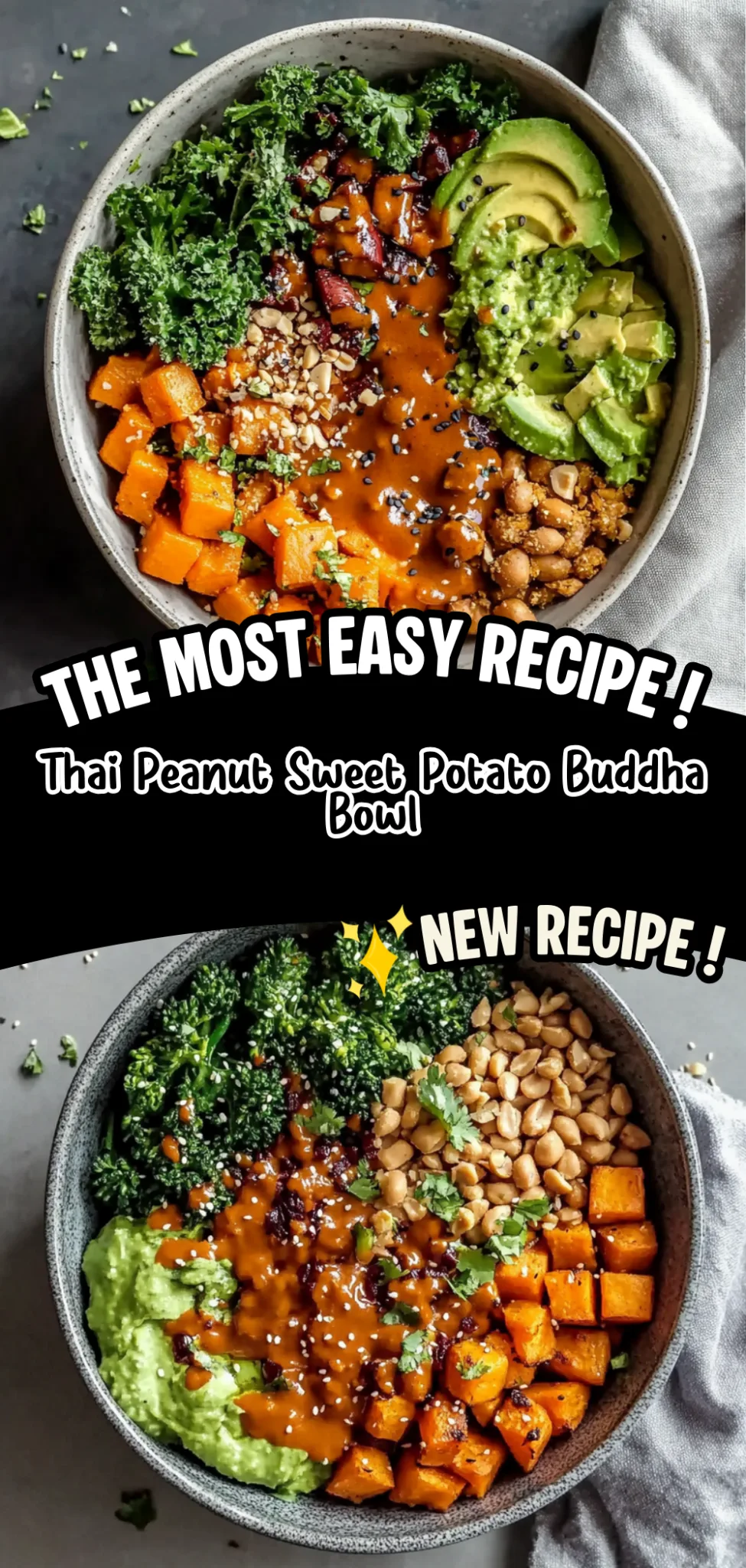
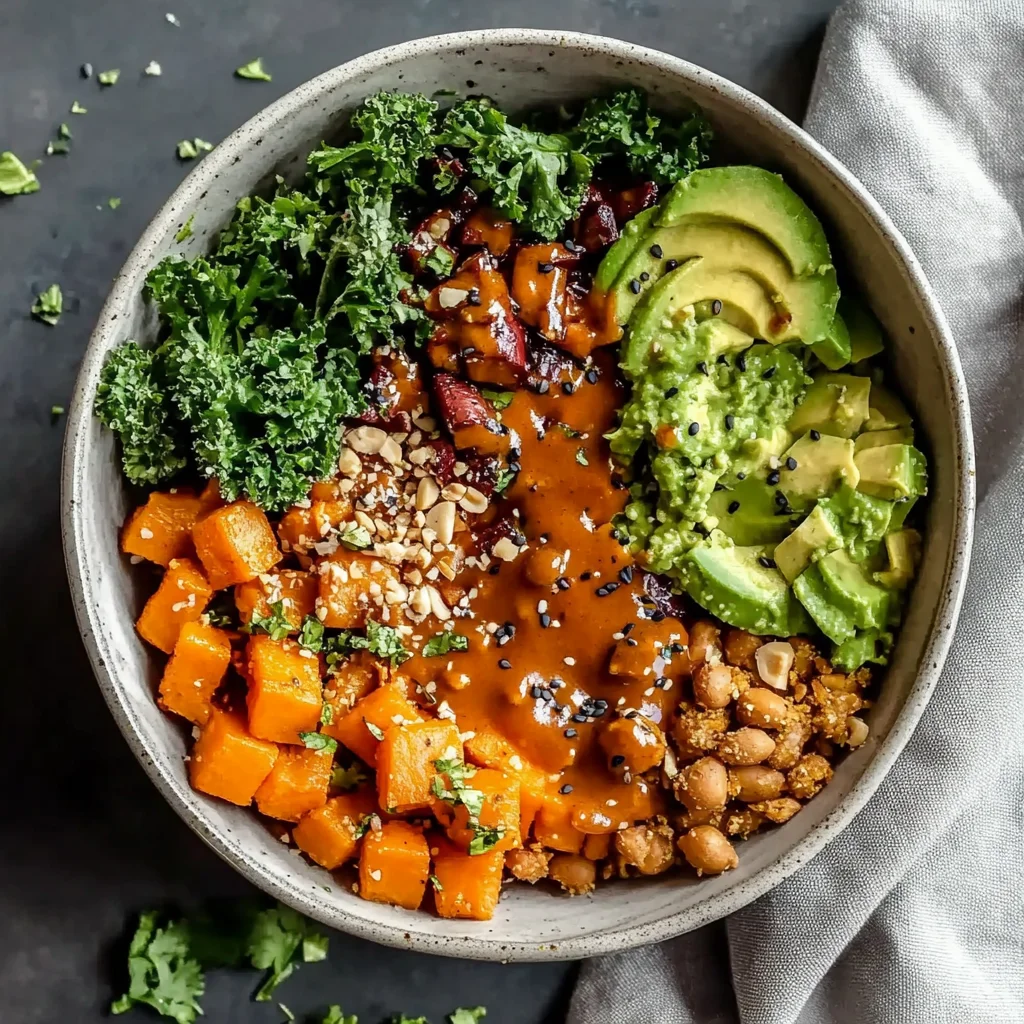
If you’re craving a dish that bursts with vibrant flavors and comfort, look no further than my Thai Peanut Sweet Potato Buddha Bowl. Imagine roasted sweet potatoes that are crispy on the outside and tender on the inside, paired with fresh, crunchy veggies and drizzled with a creamy Thai peanut sauce that elevates every bite. This bowl is not only delicious but also packs a wholesome punch with around 450 calories and a healthy dose of protein, making it the perfect meal prep option for busy weeks or those nights when you want something nourishing yet quick to whip up.
I vividly remember the first time I made this dish; it was a hectic Wednesday evening when my teenagers were juggling homework and sports practices. As I plated up the vibrant colors of the Buddha bowl, my youngest exclaimed, “Wow, it looks like a rainbow!” The unique twist in this recipe comes from the combination of roasted sweet potatoes instead of traditional grains—an unexpected delight that sets it apart from other bowls. To my surprise, after just one bite, my husband asked for seconds and said it was one of the best dinners we’d had in ages. That moment solidified this recipe as a family favorite!
Ingredients for the Thai Peanut Sweet Potato Buddha Bowl
Each ingredient in this dish plays an essential role in flavor and texture. Here’s what you’ll need:
- 2 medium sweet potatoes (peeled and diced): Provides a naturally sweet and hearty base.
- 1 cup quinoa (rinsed): Adds a protein-rich grain that brings a nutty flavor.
- 2 cups water (for cooking quinoa): Essential for hydrating and cooking the quinoa perfectly.
- 1 cup chickpeas (cooked or canned): Contributes creaminess and additional protein.
- 2 cups spinach (fresh): Offers a vibrant green color and fresh, earthy notes.
- 1/2 cup peanut butter (smooth): Creates a rich and creamy sauce that serves as the flavor foundation.
- 3 tablespoons soy sauce (or tamari for gluten-free): Enhances umami depth in the peanut sauce.
- 2 tablespoons maple syrup (or honey): Balances the savory elements with natural sweetness.
- 1 tablespoon rice vinegar: Introduces acidity that brightens the overall dish.
- 1 teaspoon sesame oil: Imparts a toasty flavor that complements the peanut butter well.
- 1 clove garlic (minced): Adds aromatic richness and depth to the sauce.
- 1 teaspoon ginger (grated): Infuses warmth and spice to the peanut sauce.
- 2 tablespoons water (to thin sauce): Adjusts the consistency of the sauce for perfect drizzling.
- 1/4 cup green onions (sliced): Provides a fresh crunch and mild onion flavor for garnish.
- 1/4 cup cilantro (chopped): Adds brightness and herbal notes that elevate the bowl.
- 1/4 cup peanuts (chopped, for garnish): Delivers an extra crunch and enhances the peanut flavor.
- 1 medium lime (cut into wedges): Offers a zesty squeeze that livens up each bite.
Step-by-Step Instructions
I recommend getting your potatoes in the oven first since they take the longest — this way everything finishes around the same time and you’re not standing around waiting.
Step 1: Preheat your oven to 400°F (200°C). This temperature is perfect for roasting sweet potatoes, allowing them to become tender while developing a delicious caramelization. Spread the diced sweet potatoes on a large baking sheet in a single layer to ensure even cooking. Drizzle with olive oil, and sprinkle with salt and pepper. Toss until every piece is coated, making sure they have enough space to roast properly. Bake for 25-30 minutes, flipping them at the halfway mark if you like, until they’re tender and slightly caramelized.
Step 2: While the sweet potatoes are roasting, grab a medium saucepan and combine 1 cup of rinsed quinoa with 2 cups of water. Bring it to a boil over medium-high heat. Once boiling, reduce the heat to low, cover it with a lid, and let it simmer for about 15 minutes or until all the water is absorbed. Fluff the quinoa with a fork after it’s done; this will make it light and fluffy. Setting it aside now allows you to focus on the sauce next.
Step 3: In a mixing bowl, whisk together 1/2 cup of smooth peanut butter, 3 tablespoons of soy sauce (or tamari for gluten-free), 2 tablespoons of maple syrup (or honey), 1 tablespoon of rice vinegar, 1 teaspoon of sesame oil, minced garlic, grated ginger, and 2 tablespoons of water until smooth. This step builds serious flavor; feel free to adjust any ingredient according to your taste preferences! If you want the sauce thinner for drizzling, just add a little more water until you reach your desired consistency.
Step 4: Now it’s time to assemble your Buddha bowl! Start by layering each bowl with a base of fluffy quinoa followed by roasted sweet potatoes that should be warm and fragrant at this point. Add in about 1 cup of cooked or canned chickpeas for protein and then toss in fresh spinach. The vibrant colors will make your meal pop! I love using baby spinach because it wilts nicely without losing its freshness.
Step 5: Drizzle generously with your creamy Thai peanut sauce over everything — don’t be shy here; it ties all the flavors together beautifully! Top off your bowls with sliced green onions, chopped cilantro, and chopped peanuts for added crunch. Lastly, serve with lime wedges on the side for that zesty kick that elevates each bite!
What to Serve with Thai Peanut Sweet Potato Buddha Bowl
This bowl is already incredibly filling and balanced, but these sides add extra variety and nutrition to round out your meal perfectly.
Crispy Garlic Roasted Broccoli: Tossed in olive oil, minced garlic, and a sprinkle of red pepper flakes, this roasted broccoli adds a delightful crunch and a spicy kick that contrasts beautifully with the creamy peanut sauce. Each serving brings in a wealth of vitamins C and K, making it a nutrient-dense side. My kids love it when I roast the broccoli until it’s just crispy enough for them to munch on as finger food.
Coconut Jasmine Rice: Fragrant jasmine rice simmered with coconut milk creates a rich and creamy base that mirrors the Thai flavors of the Buddha bowl while adding an extra layer of indulgence. This side not only enhances your meal’s flavor profile but also contributes about 4 grams of healthy fats per serving, making it a satisfying option for those needing more energy. It’s become a staple in our house for Friday night dinners!
Avocado Cucumber Salad: A refreshing mix of diced avocado, thinly sliced cucumbers, lime juice, and fresh mint makes for a light and zesty salad that cuts through the richness of the peanut sauce. The healthy fats from the avocado provide about 5 grams per serving, supporting heart health while adding creaminess to your plate. I love prepping this salad in advance; it stays fresh all week and makes for an easy grab-and-go snack.
Spicy Thai Pickled Carrots: Quick-pickled carrots seasoned with rice vinegar, sugar, and chili flakes bring a tangy crunch that echoes the dish’s existing flavors while adding vibrant color to your meal. These pickles not only brighten up each bite but also offer probiotics beneficial for gut health. They’re an easy batch-cook item that my family looks forward to enjoying throughout the week alongside various meals.
Storage & Serving Tips
Store your Thai Peanut Sweet Potato Buddha Bowl components in separate airtight containers in the fridge for up to 4 days. Keep the roasted sweet potatoes, quinoa, and chickpeas together in one container, while the fresh spinach should be stored in a separate container to maintain its crispness. The Thai peanut sauce can be stored in another small container, and all toppings—green onions, cilantro, chopped peanuts, and lime wedges—should be kept in individual containers to ensure they stay fresh and vibrant.
When reheating, place the roasted sweet potatoes back in a 400°F oven for 6–8 minutes to restore their crispiness. The quinoa and chickpeas can be reheated in the microwave for about 1–2 minutes, stirring halfway through until steaming hot. Avoid microwaving the spinach and toppings as they will wilt or lose their texture; instead, add them fresh just before serving. Microwaving the peanut sauce is acceptable—just heat it gently for 30 seconds to avoid separation.
Pro tip: For efficient meal prep, consider doubling this recipe on Sundays so you have healthy lunches ready for the week. Family members can self-assemble their own bowls by layering the base of quinoa and chickpeas with roasted sweet potatoes and fresh spinach, allowing everyone to customize their toppings. Swap out chickpeas for black beans for a different protein option or use brown rice instead of quinoa for variety throughout the week. To keep your spinach fresh during storage, consider placing a paper towel in the container to absorb excess moisture.
Conclusion
This Thai Peanut Sweet Potato Buddha Bowl has become one of those recipes I make almost every week because it’s packed with flavor, nutritious ingredients, and delivers 450 calories per serving without sacrificing satisfaction. The roasted sweet potatoes add a delightful sweetness and texture that elevate this bowl above typical grain-based meals, allowing for a truly rewarding dining experience. Give this one a try this week. I promise it’ll become a regular rotation meal in your house too.
Thai Peanut Sweet Potato Buddha Bowl
Ingredients
Method
- Preheat the oven to 400°F (200°C).
- Toss the diced sweet potatoes with olive oil, salt, and pepper on a baking sheet.
- Roast in the oven for 25-30 minutes until tender and slightly caramelized.
- In a saucepan, combine quinoa and water. Bring to a boil.
- Reduce heat to low, cover, and simmer for 15 minutes or until water is absorbed.
- Fluff with a fork and set aside.
- In a mixing bowl, whisk together peanut butter, soy sauce, maple syrup, rice vinegar, sesame oil, garlic, ginger, and water until smooth.
- In each bowl, layer quinoa, roasted sweet potatoes, chickpeas, and spinach.
- Drizzle with Thai peanut sauce and top with green onions, cilantro, and chopped peanuts.
- Serve with lime wedges on the side.

Leave a Comment